For SCHIZOPHRENIA in adultsCAPLYTA demonstrated a significant reduction in PANSS total score in 4 weeks1-3
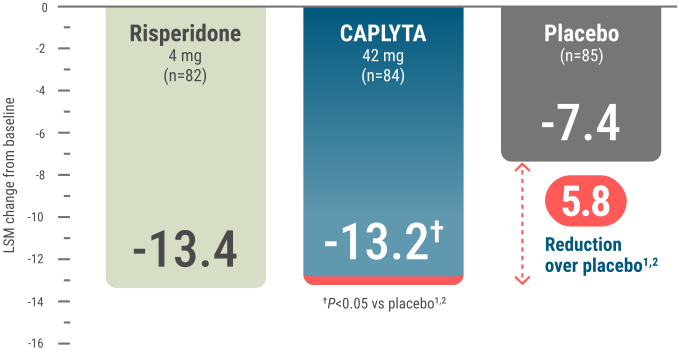
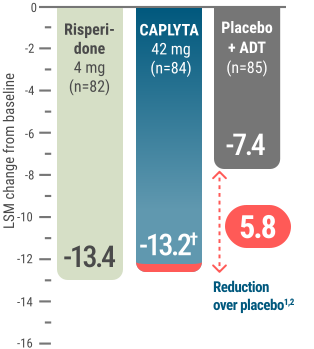
13.2-point, significant improvement in PANSS total score at 4 weeks1,2
CAPLYTA separated from placebo in 1 week4
Weekly time points prior to 4 weeks were not powered for statistical comparison and are descriptive only. At 1 week, LSM change from baseline in PANSS total score was -4.0 points for CAPLYTA vs -2.6 points for placebo.4
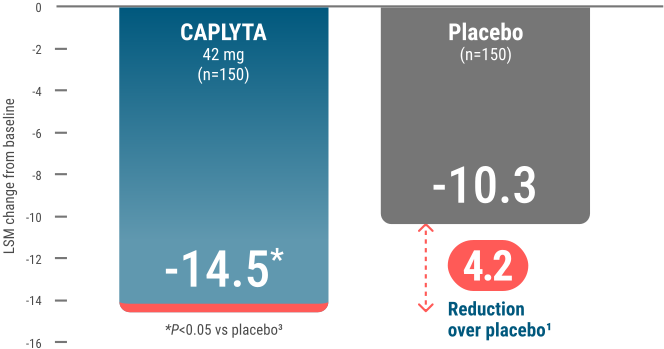
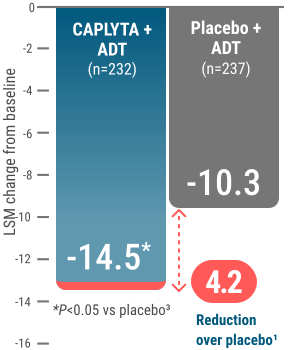
14.5-point, significant improvement in PANSS total score at 4 weeks1
CAPLYTA separated from placebo in 1 week1
Weekly time points prior to 4 weeks were not powered for statistical comparison and are descriptive only. At 1 week, LSM change from baseline in PANSS total score was -7.8 points for CAPLYTA vs -4.2 points for placebo.4
This study was not designed to allow for efficacy comparison of CAPLYTA and risperidone. Risperidone was included for assay sensitivity.1,2
Baseline PANSS Total Scores: CAPLYTA 42 mg: 88.1; risperidone 4 mg: 86.1; placebo: 86.3.1,2
*The PANSS is a 30-item scale used to measure symptoms of schizophrenia. Each item is rated by a clinician on a 7-point scale. A score of 1 indicates the absence of symptoms, and a score of 7 indicates extremely severe symptoms. The PANSS total score may range from 30 to 210, with higher scores reflecting greater overall symptom severity.1
LSM=least squares mean; PANSS=Positive and Negative Syndrome Scale.
Baseline PANSS Total Scores: CAPLYTA 42 mg: 90.0; placebo: 89.0.1
LSM=least squares mean; PANSS=Positive and Negative Syndrome Scale.
The PANSS is a 30-item scale that measures the following symptoms1,2,5†:
Positive Subscale Symptoms:
- Delusions
- Hallucinations
- Conceptual disorganization
- Excitement
- Grandiosity
- Suspiciousness/persecution
- Hostility
Negative Subscale Symptoms:
- Blunted affect
- Emotional withdrawal
- Poor rapport
- Passive/apathetic social withdrawal
- Difficulty in abstract thinking
- Lack of spontaneity and flow of conversation
- Stereotyped thinking
General Psychopathology Subscale Symptoms:
- Somatic concern
- Anxiety
- Guilt feelings
- Tension
- Mannerisms and posturing
- Depression
- Motor retardation
- Uncooperativeness
- Unusual thought content
- Disorientation
- Poor attention
- Lack of judgement and insight
- Disturbance of volition
- Poor impulse control
- Preoccupation
- Active social avoidance
PANSS Prosocial Subscale
The PANSS Prosocial Subscale is a 6-item scale derived from the PANSS total score to measure social functioning. It includes the following symptoms:
- Hallucinations
- Suspiciousness/persecution
- Emotional withdrawal
- Passive/apathetic social withdrawal
- Stereotyped thinking
- Active social avoidance
†Each item is rated by a clinician on a 7-point scale. A score of 1 indicates the absence of symptoms, and a score of 7 indicates extremely severe symptoms. The PANSS total score may range from 30 to 210, with higher scores reflecting greater overall symptom severity.1,5
PANSS=Positive and Negative Syndrome Scale.